The landscape is ripe with innovation and opportunity in today’s fast-paced tech industry. Yet, amidst the rush to deploy new systems and technologies, many tech companies grapple with a common nemesis: scope creep. Scope creep is when project requirements expand beyond initial agreements without corresponding adjustments to the contract terms. Scope creep can wreak havoc […]
Alisme Law’s Blog
Is Your Business Partnership Showing These Warning Signs?
In the ever-evolving business world, partnerships can be both a boon and a bane. While many flourish and lead to mutual success, others can face challenges and disputes. As seasoned business litigators, we have seen firsthand how minor issues, if left unchecked, can escalate into significant legal battles. Here, we’ll discuss the warning signs that […]
Six Steps for Filing a Lawsuit in New York
Step 1: Evaluate the Case Before proceeding with a lawsuit, it’s essential to consult with an attorney who will help you evaluate your case’s strengths and weaknesses to make sure it is worth filing. As attorneys, we must tell you the truth about your case. We also have an ethical obligation to refrain from filing […]
The Differences Between Mediation and Arbitration
Mediation and arbitration are two alternative methods litigating parties in New York utilize to settle conflicts outside traditional court proceedings. While they share some similarities, there are distinct differences between the two. Let’s start with mediation. Mediation is a voluntary process in which a neutral third party, known as the mediator, assists the parties in […]
Four Tips for Resolving Business Disputes Before Going to Court
There are four steps that you can take to resolve business disputes before going to court. Step 1: Identify the issue and gather information. When a dispute arises, it’s crucial to clearly define the problem and gather all relevant information. This includes contracts, correspondence, emails, and any other evidence related to the dispute. Taking the […]
Joam Alisme Led a Continuing Legal Education Course on Business Litigation at the New York City Bar Association
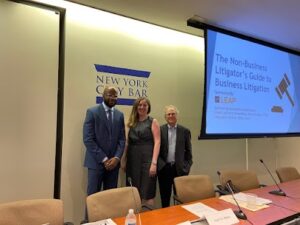
On Wednesday, September 21, 2022, Joam Alisme led a CLE course at the New York City Bar Association entitled “The Non-business Litigator’s Guide to Business Litigation.” Cassandra Porsch, a partner at the law firm Scarola Zubatov Schaffzin PLLC, and Scott M. Himes, a partner at the law firm Kishner, Miller & Himes P.C., served as co-panelists. The program focused […]
Joam Alisme Selected to 2022 New York Metro Super Lawyers Rising Star List

Joam Alisme, the founder of Alisme Law, has been selected as a Super Lawyers New York Metro Rising Star for the second consecutive year. Super Lawyers is a rating service of outstanding lawyers who have attained a high degree of peer recognition and professional achievement. Super Lawyers selects only the top 5% of attorneys to this exclusive list. According […]
Joam Alisme Admitted to the Supreme Court of the United States’ Bar
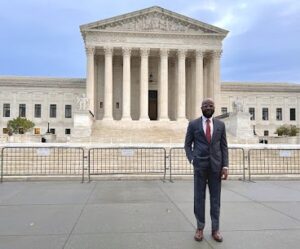
On Monday, October 3, 2022, Joam Alisme was admitted to practice before the United States Supreme Court, the highest and most powerful court in the land. The admission ceremony occurred on the Court’s first in-person session after more than two years of absence due to the Covid-19 pandemic. The session also marked the first oral arguments heard […]