
When directors cannot agree, the dispute can prevent the entire company from moving forward. Disagreement among directors is a normal part of corporate governance. Boards are expected to debate strategy, evaluate risk, and sometimes reach different conclusions about what is best for the company. But there is a significant difference between disagreement and deadlock. A […]
minority partner
Can a Majority Shareholder Use Their Control to Benefit Themselves?
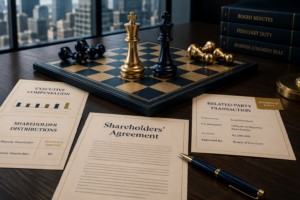
Majority ownership gives a shareholder substantial influence over a company. It does not necessarily give that shareholder unrestricted authority to extract value from the corporation or disregard other owners’ rights.
Who Gets the Client Relationship? Partnership Disputes Over Customers and Business Opportunities

When business owners separate, client and customer relationships often become the most valuable asset in dispute. For many businesses, the most valuable assets are not equipment, office space, or inventory. They are the relationships, goodwill, and future business opportunities the company has spent years developing. When partners, members, shareholders, or co-owners decide to part ways, […]
What Can Your Business Do When a Service Provider Fails to Deliver What Was Promised?

When a service provider materially fails to perform its contractual obligations, your business may have legal remedies.
What Happens When a Business Partner Stops Pulling Their Weight?

Equal ownership does not always mean equal effort. Many businesses begin with partners who share a common vision and a commitment to building something together. Over time, however, those contributions can become uneven. One partner may continue working long hours, bringing in clients, and managing day-to-day operations, while the other contributes significantly less or stops […]
Can You Obtain Documents From Someone Who Is Not a Party to the Lawsuit?

Some of the most valuable documents in a business lawsuit are often in the possession of third parties, such as banks, accountants, vendors, customers, technology providers, or former employees. Used strategically, third-party discovery can fill evidentiary gaps, corroborate key facts, and significantly influence the outcome of a case.
Why Discovery Often Determines Whether a Business Litigation Case Settles

Most business lawsuits do not settle because someone changes their mind. They settle because discovery changes the parties’ understanding of the case.
When Can You Refuse to Produce Documents in a Business Litigation Case?

Discovery is broad, but it is not unlimited. One of the biggest misconceptions about business litigation is that once a lawsuit is filed, every email, document, and communication becomes fair game. While New York’s discovery rules allow parties to obtain a wide range of relevant information, the law also recognizes that certain documents should remain […]