
A breach may give your business the right to terminate a contract. But ending the relationship in the wrong manner can create a second dispute. When another company breaches an important business agreement, continuing the relationship may no longer make sense. A vendor may repeatedly fail to deliver, or a customer may stop making required […]
Business litigation
The Other Side Breached the Contract. Can Your Business Stop Performing?
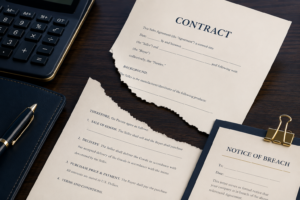
When the other side breaks the deal, your business cannot always just walk away. A business contract usually creates obligations for both sides. One party may be required to provide services, deliver goods, meet certain deadlines, or complete specified work. The contract may require the other side to make payments, provide information, approve deliverables, or […]
Can a Board Director or Shareholder Make a Deal with Their Own Company?
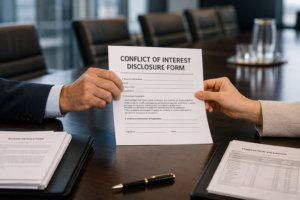
When the people approving a corporate transaction also stand to benefit from it, the transaction may deserve closer scrutiny. Companies regularly enter into transactions with vendors, landlords, lenders, consultants, and other businesses. But what happens when the person benefiting from the deal is also a director, officer, or controlling shareholder of the company? A director […]
Can a Corporate Officer Be Sued for Putting Their Own Interests Ahead of the Company?

Corporate authority comes with obligations, and an executive cannot always put personal interests ahead of the company they serve. Corporate officers are often entrusted with significant authority. They may control company finances, negotiate contracts, develop relationships with customers and vendors, access confidential information, and identify new business opportunities. That position can also create opportunities for […]
What Happens When a Board of Directors Is Deadlocked?

When directors cannot agree, the dispute can prevent the entire company from moving forward. Disagreement among directors is a normal part of corporate governance. Boards are expected to debate strategy, evaluate risk, and sometimes reach different conclusions about what is best for the company. But there is a significant difference between disagreement and deadlock. A […]
Can a Majority Shareholder Use Their Control to Benefit Themselves?
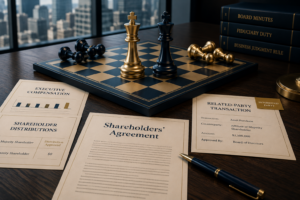
Majority ownership gives a shareholder substantial influence over a company. It does not necessarily give that shareholder unrestricted authority to extract value from the corporation or disregard other owners’ rights.
When Can a Shareholder Challenge a Decision Made by the Board?

Corporate board directors are protected, but they are not immune. Serving on a corporation’s board of directors carries significant authority and equally significant legal responsibility.
When Does Poor Performance Become a Breach of Contract?

Not every disappointing result is a lawsuit, but some failures cross the legal line. Every business has experienced the frustration of working with a vendor, contractor, consultant, or service provider that did not meet expectations. A project runs over budget, misses deadlines, communication deteriorates, or the final product falls short of expectations. While these situations […]